
Six Models, One Clearer Conversation: Building a Gas Furnace Range Buyers Can Understand
A useful furnace range is not simply a longer list of SKUs. It is a range that can be explained, compared and supported.
Explore CFGH96 Gas FurnaceDiscuss your requirements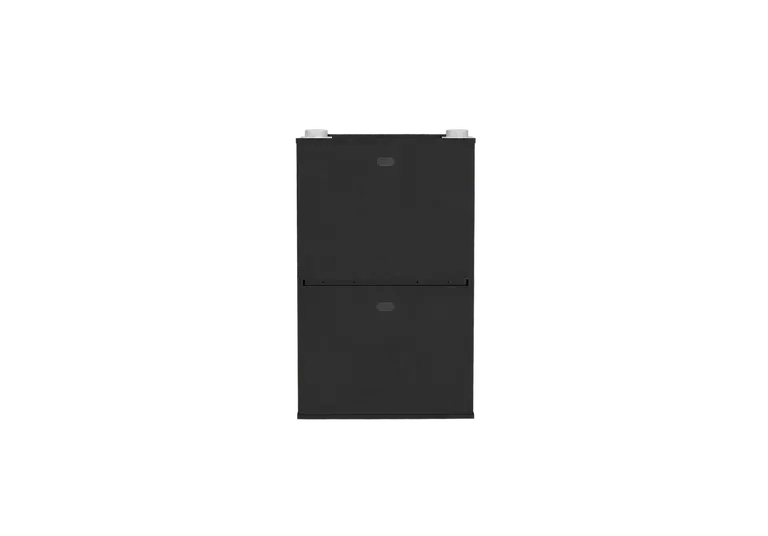
For distributors and private-label buyers, a useful furnace range is not simply a longer list of SKUs. It is a range that can be explained, compared and supported.
A product manager is preparing a furnace range for review. Sales wants a simple story. Technical reviewers need exact configurations. The purchasing team needs to know what is included. The service team wants documentation that still makes sense after the order has shipped.
Adding more model numbers will not automatically satisfy any of them.
The better starting point is a clear range architecture: what the models share, where they differ, and which decisions require an application-specific review.
Use the platform story to open the conversation
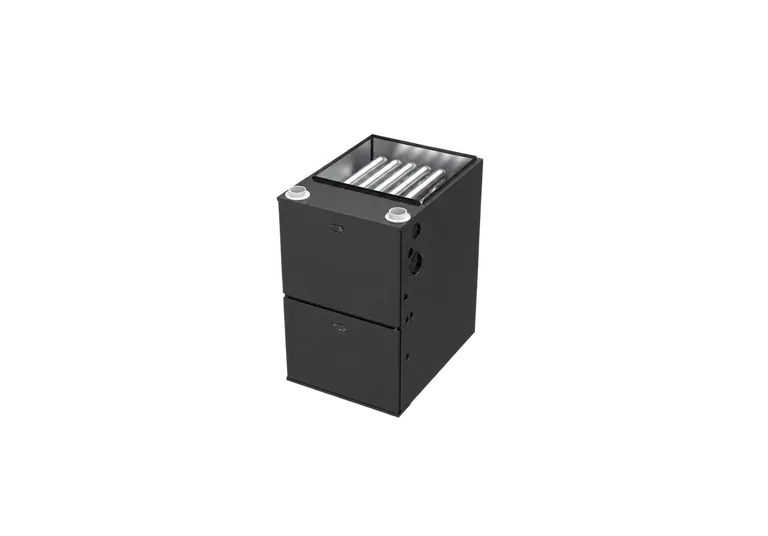
The CFGH96 brochure presents six specification models sharing a recognizable feature set: a listed 96% AFUE rating, a two-stage gas valve, a multi-speed ECM circulator blower and 115V / 60Hz electrical configuration.
That gives a buyer a concise platform story. It also creates a disciplined way to introduce the range without implying that every model is identical beneath the cabinet.
The six model references span four listed high-fire input levels:
| High-fire input | Model references in the supplied specifications |
|---|---|
| 60,000 BTU/h | CF96U060B3A |
| 80,000 BTU/h | CF96U080B3A; CF96U080C4A |
| 100,000 BTU/h | CF96U100C5A; CF96U100D5A |
| 120,000 BTU/h | CF96U120D5A |
These are heating input groups, not six separate heating-capacity levels. They are also not building-size recommendations. The required model must be selected through a qualified application review.
Make the differences visible, not mysterious
Two models can share an input rating while differing elsewhere in the specification.
For example, the two 80,000 BTU/h CFGH96 models list different blower dimensions and motor electrical data. A buyer should therefore resist simplifying them into one interchangeable “80k model” before reviewing the full specification and exact-model drawings.
This is where good product content can help sales. Keep the platform benefits together, but provide a model comparison that shows the differences in the same units and with the same field definitions. An omitted value should remain an open question rather than being copied from the next model in the table.
Organize a range around real inquiry types
Consider three illustrative enquiries:
The distributor evaluating a replacement range needs a clear way to connect models, installation configurations and technical documents.
The importer reviewing a new supply option needs to establish target-market suitability, documentation coverage and the exact offered configuration before comparing commercial terms.
The private-label product team may want to discuss branding, packaging, controls or another requested change. The first task is to separate what exists in the reference product from what requires a feasibility review.
These enquiries may begin with the same brochure, but they should not all receive the same generic quotation response.
Treat service readiness as part of the product review
Before discussing a range as a long-term channel program, establish what support materials can accompany it. Ask for the exact-model installation instructions, wiring information, diagnostic references, parts identification and proposed warranty terms.
The CFGH96 brochure's self-diagnostic control board is a relevant feature for this conversation. However, the presence of diagnostics does not establish local spare-parts stock, a service network, a warranty duration or a response-time commitment. Those are separate commercial and operational questions.
A credible program becomes more attractive when the product story and the support plan can be reviewed together. It does not become more credible by borrowing another brand's promises.
Give buyers a useful next step
A first enquiry does not need to settle every detail. It should give the supplier enough context to move from a platform discussion to a model-specific review: the intended market, application, fuel and electrical requirements, reference model, estimated volume and requested changes.
For buyers considering CFGH96, the practical opportunity is to examine a defined six-model platform and decide whether its configuration and documentation fit the proposed channel. Private-label scope, product availability, certification evidence, sample arrangements, MOQ and lead time remain subject to confirmation—not assumptions built into the article.
Compare the CFGH96 specification models and start a focused sourcing discussion.
FAQ
Do the six CFGH96 models represent six different heating input levels?
No. The brochure lists six models across four high-fire input groups: 60,000, 80,000, 100,000 and 120,000 BTU/h.
Can two models with the same input rating be treated as interchangeable?
No. Review the full specification, blower and electrical data, and exact-model drawings before selecting the offered configuration.
Put the product into your sourcing review
Explore the CFGH96 models, then share the target market, application, fuel and electrical requirements for an exact-model review.
Compare the specification models Start a Gas Furnace RFQRelated reading: Beyond the 96% Label: What Makes a Gas Furnace Worth Specifying?